Media
All posts
23 of 67 posts
Military aircraft, ground vehicles, and naval systems are designed to operate for decades. Unfortunately, the electronics supporting these platforms often become obsolete long before the platforms themselves reach retirement.
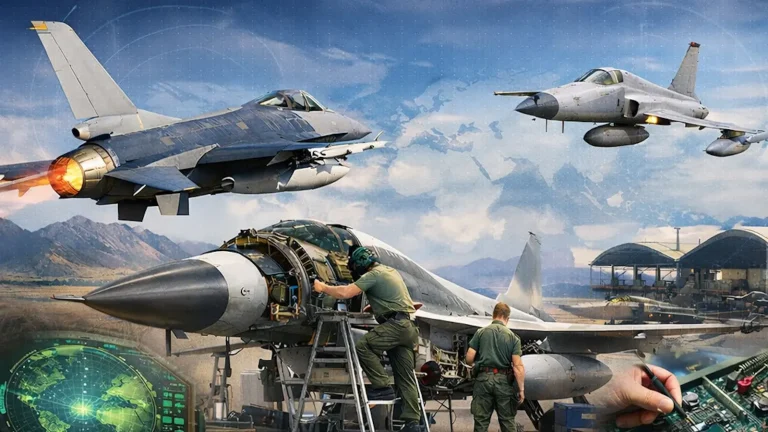
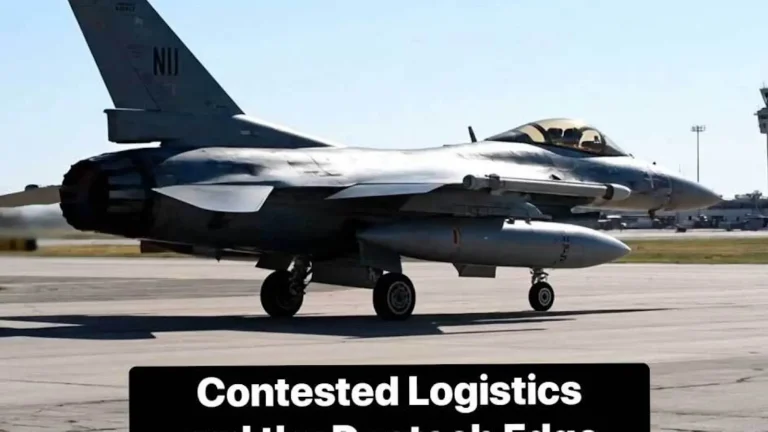
Legacy military aircraft continue to serve as the backbone of air operations for the U.S. and allied forces worldwide. While modernization programs move forward, proven platforms remain essential for air defense, training, and regional security missions. Sustaining these aircraft requires more than routine maintenance - it demands trusted, depot-level electronics repair expertise.
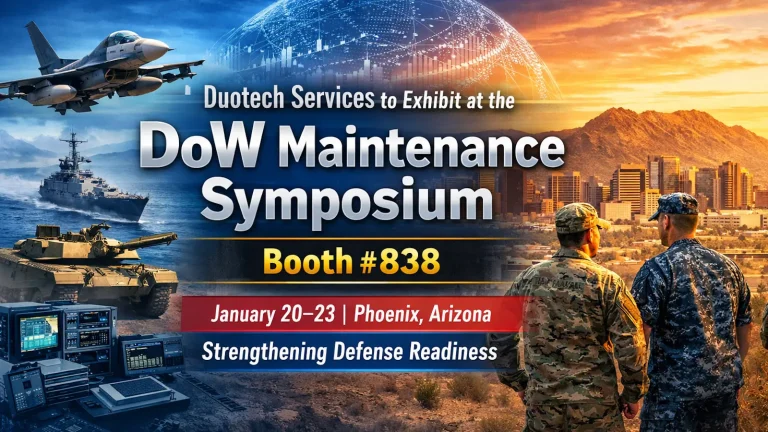
Duotech Services is proud to announce our participation in the Department of War Maintenance Symposium, taking place January 20–23 in Phoenix, Arizona. You can find our team on the show floor at Booth #838, where we’ll be engaging with defense leaders, sustainment professionals, and industry partners focused on improving readiness across the Defense Industrial Base.
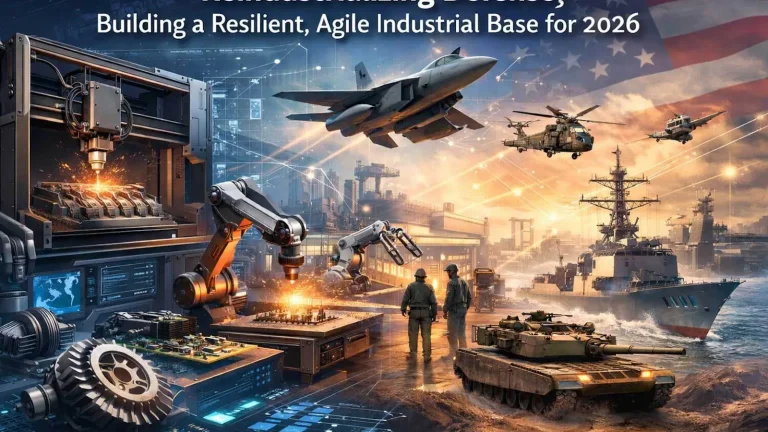
As the defense industry looks toward 2026, one reality is clear: readiness can no longer rely on legacy supply chains or static inventories. Recent global disruptions, accelerated modernization efforts, and evolving threat environments have exposed structural weaknesses across the defense industrial base.
In today’s rapidly evolving defense landscape, readiness in contested environments demands innovation and adaptability. Contested Logistics and the Duotech Edge explores how Duotech’s advanced test and support solutions strengthen mission success in forward-deployed operations, ensuring that equipment stays mission-ready, even under the most challenging conditions. Watch the video to see how Duotech enhances operational resilience and delivers the edge our forces need to stay ahead.
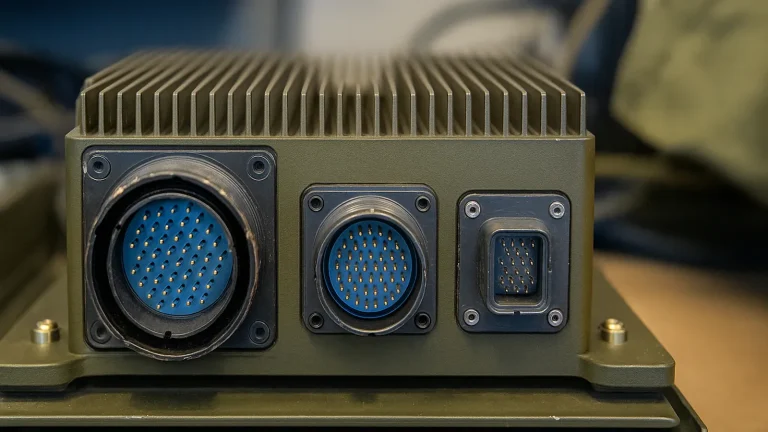
In demanding military and aerospace missions, equipment reliability isn’t just a goal—it’s a necessity. Every second of downtime can impact mission success. That’s why Line-Replaceable Units (LRUs) play such a critical role. These modular components are engineered to be swapped quickly in the field to restore operational capability.
Developing advanced airborne electronics systems—such as RADAR, RWRs, or electronic warfare sensors—requires more than lab simulations and theoretical modeling. These technologies demand real-world, airborne testing to validate performance, identify anomalies, and optimize system integration. However, access to airborne platforms is often expensive, difficult to schedule, and outside the control of the development team. These barriers lead to increased costs, delayed timelines, and substantial program risk. At Duotech Services, we’ve recognized this gap, and we’ve built a solution.
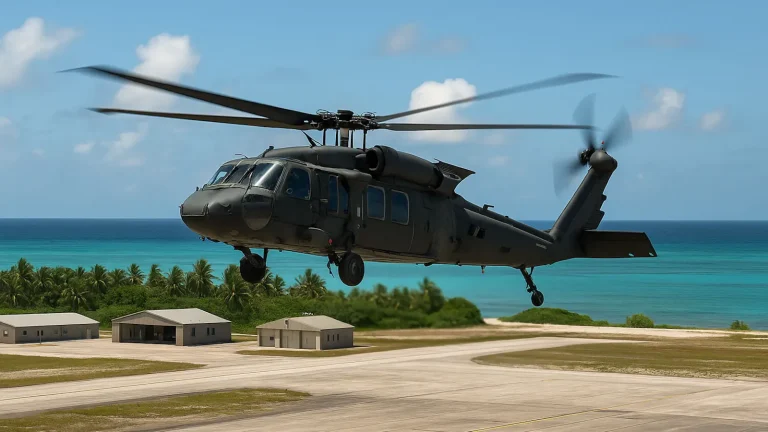
Since its introduction in 1979, the Sikorsky UH-60 Black Hawk has earned a reputation as one of the most capable and adaptable utility helicopters in the world. Designed to meet the U.S. Army’s need for a reliable, multi-mission aircraft, the Black Hawk has become a mainstay of military operations for over four decades.
In the world of defense, aerospace, and industrial systems, legacy electronic systems remain mission-critical. From avionics suites in aging aircraft to control systems in naval and ground platforms, the continued operation of these technologies depends on reliable access to electronic components that are often decades old.
In today’s complex defense environment, mission success depends on more than cutting-edge technology—it requires the seamless coordination of design, development, support, and sustainment over the full lifespan of a system. This is where Single-Source Solutions and Integrated Life Cycle Management (ILCM) come into play.
Sustainment Challenges of Aging Defense Technology Sustaining legacy defense systems presents a growing challenge for today’s armed forces and defense contractors. Many platforms in service today rely on outdated technology—systems that were cutting-edge decades ago but now face reliability issues, degraded performance, and complete obsolescence. As original manufacturers discontinue support and global supply chains dry up for critical components, sourcing replacements becomes increasingly difficult, costly, and time-consuming.
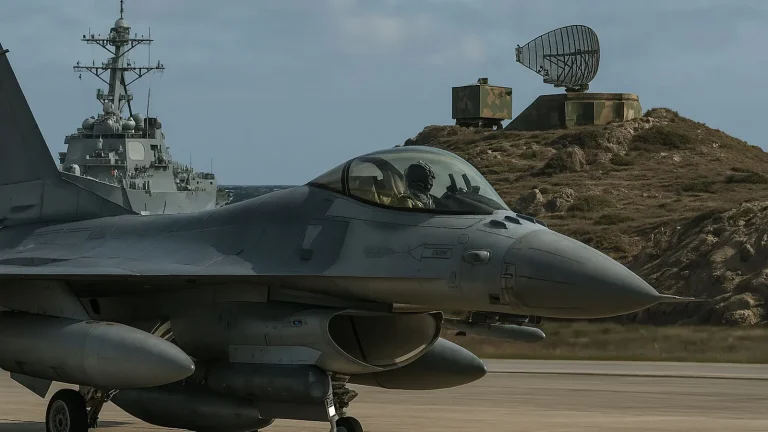
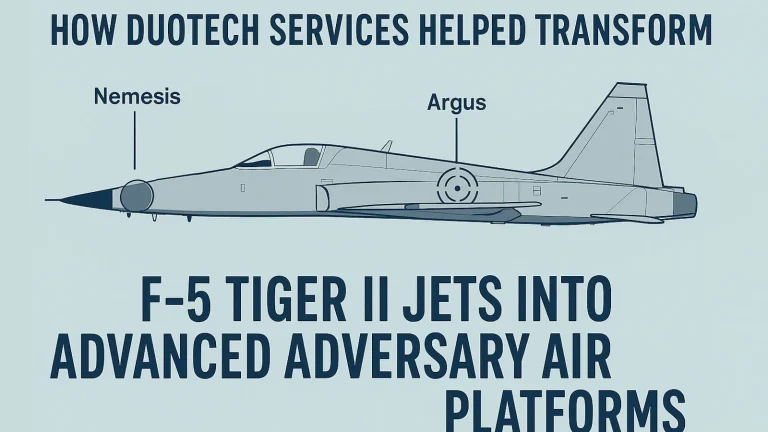
In today’s training environments, adversary air (ADAIR) support contractors play a critical role in preparing U.S. and allied military pilots for real-world threats. These contracted air services, often referred to as "red air," provide high-fidelity simulations of enemy aircraft and electronic warfare systems during exercises and tactical training.