
Media
All posts
6 of 67 posts
In the world of defense, aerospace, and industrial systems, legacy electronic systems remain mission-critical. From avionics suites in aging aircraft to control systems in naval and ground platforms, the continued operation of these technologies depends on reliable access to electronic components that are often decades old.
In today’s complex defense environment, mission success depends on more than cutting-edge technology—it requires the seamless coordination of design, development, support, and sustainment over the full lifespan of a system. This is where Single-Source Solutions and Integrated Life Cycle Management (ILCM) come into play.
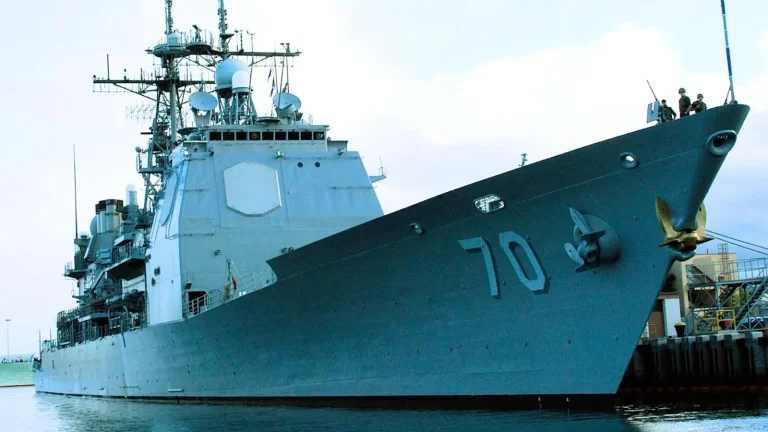
Sustainment Challenges of Aging Defense Technology Sustaining legacy defense systems presents a growing challenge for today’s armed forces and defense contractors. Many platforms in service today rely on outdated technology—systems that were cutting-edge decades ago but now face reliability issues, degraded performance, and complete obsolescence. As original manufacturers discontinue support and global supply chains dry up for critical components, sourcing replacements becomes increasingly difficult, costly, and time-consuming.
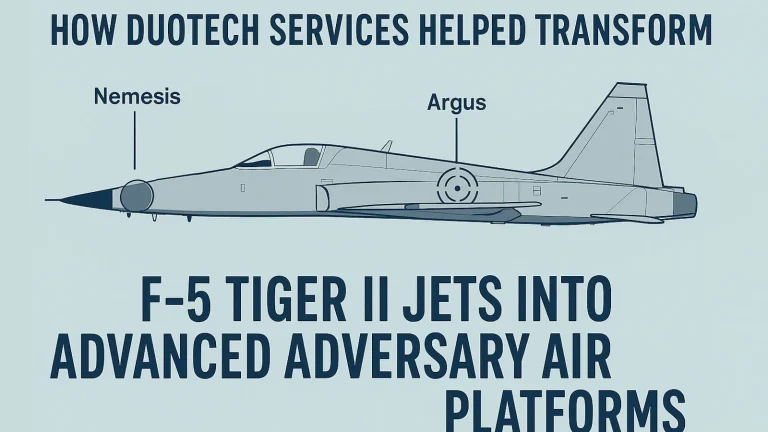
In today’s training environments, adversary air (ADAIR) support contractors play a critical role in preparing U.S. and allied military pilots for real-world threats. These contracted air services, often referred to as "red air," provide high-fidelity simulations of enemy aircraft and electronic warfare systems during exercises and tactical training.
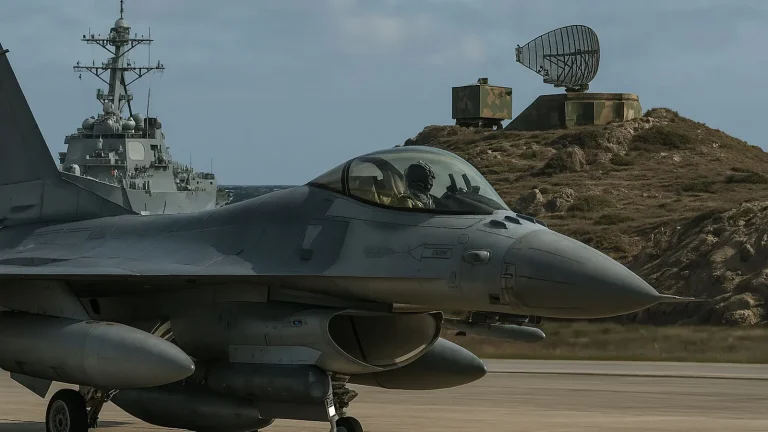
An F-16 fighter jet streaks through contested airspace on a critical reconnaissance mission. Suddenly, its radar warning receiver flares to life—an enemy tracking radar has locked on. Within seconds, surface-to-air missiles are launched from a hidden battery below. But thanks to the immediate threat identification and directional awareness provided by the onboard Radar Warning Receiver (RWR), the pilot executes evasive maneuvers and deploys countermeasures, narrowly escaping the attack. This scenario underscores the indispensable role of RWR technology in ensuring mission success and pilot survivability.
Understanding RADAR technology is critical in defense applications, particularly when it comes to differentiating between active and passive phased array RADARs. Each type brings unique strengths and challenges to the field, impacting system capabilities, operational effectiveness, and overall mission success. This guide clearly outlines the fundamental differences, technical considerations, and real-world applications of active and passive phased array RADARs.